Assisted Living vs Memory Care in Columbia, Missouri
"Does Mom need assisted living or memory care?" is one of the most common questions we hear from families in Columbia. The answer matters for her safety and happiness, and it matters for the budget. This guide explains what separates the two, what each costs locally, and how to tell which is the better fit right now, knowing the answer may change later.
What assisted living is
Assisted living is a residential setting for older adults who want to live as independently as possible but need some help with daily life. Residents have their own room or apartment, eat meals together, and take part in activities. Staff are available around the clock to help with bathing, dressing, medications, and moving around. In Missouri, assisted living facilities are licensed by the Department of Health and Senior Services and provide 24-hour care and protective oversight in what the state calls a social model of care, more home-like than institutional (Missouri DHSS, levels of licensure).
What memory care is
Memory care is a form of assisted living designed specifically for people living with Alzheimer's disease and other dementias. It typically adds:
- A secure setting that reduces the risk of someone leaving unsafely
- Staff with additional training in dementia communication and support
- A predictable daily routine with activities adapted to changing abilities
- More frequent, hands-on help and cueing
Memory care supports daily life and safety. It does not treat or reverse dementia.
How the costs compare in Columbia
CareScout's 2025 Cost of Care Survey reports a median of $5,761 a month for a private one-bedroom in assisted living in the Columbia metro area (CareScout Cost of Care tool). The survey does not publish a separate memory care figure.
National data from NIC, which tracks asking rents in professionally managed senior housing, shows average asking rents in rental continuing care communities in the third quarter of 2025 of $6,459 for assisted living and $8,238 for memory care, about 28 percent higher (NIC, CCRC performance 3Q 2025). That gap will not match every Columbia community, but it signals that families should expect memory care quotes to run noticeably above assisted living.
| Assisted living | Memory care | |
|---|---|---|
| Who it serves | Older adults needing help with some daily tasks | People living with Alzheimer's or other dementias |
| Setting | Private or shared rooms, open community | Secure area, simplified layout |
| Staff | Trained caregivers, 24-hour availability | Additional dementia-specific training |
| Daily life | Optional activities and outings | Structured routine, adapted activities |
| 2025 Columbia cost data | $5,761/month metro median | No separate survey figure |
Signs assisted living is likely enough
- Your parent can find their way around a building and back to their room
- They understand how to call for help
- Memory lapses are present but not dangerous
- They are not trying to leave home or wandering
- Evenings and nights are generally calm
Many people with early memory changes live well in assisted living, especially in a smaller, familiar setting where staff get to know them.
Signs memory care may be the better fit
- Getting lost, even in familiar places
- Trying to leave home at odd hours or without appropriate clothing
- Not recognizing everyday dangers
- Needing step-by-step help to eat, dress, or bathe
- Significant late-day confusion or restlessness
- Distress in busy, noisy environments
A physician's evaluation helps, and a community's pre-admission assessment will also look at which setting is safest.
Start with a medical conversation
Before choosing between assisted living and memory care, it helps to have a clear medical picture. Memory problems have many possible causes, and some, such as medication side effects, thyroid problems, vitamin deficiencies, infections, or depression, can be treated. Ask your parent's primary care provider for an evaluation. Medicare's yearly wellness visit includes a check for cognitive impairment, which can be a starting point for that conversation (Medicare.gov, yearly wellness visits).
Bring specific examples to the appointment: dates of missed medications, a description of getting lost on a drive across town, or changes in how bills are handled. The more concrete the information, the more useful the visit. If dementia is diagnosed, ask the doctor what kind of supervision and support your parent is likely to need over the next year. That answer will help you weigh assisted living against memory care far more than any brochure.
The cost of getting it wrong
It is tempting to choose assisted living because it costs less. But if a person with significant dementia moves into a setting that cannot keep them safe, a second move may follow within months, which is hard on someone who already struggles with change. On the other hand, moving someone into memory care too early can feel restrictive and lonely. An honest assessment, revisited regularly, is the best protection for both the person and the budget.
Questions to ask Columbia communities
- Do you offer both assisted living and memory care?
- If a resident's needs change, can they move between levels here?
- What dementia training do staff receive, and how often?
- How do you respond when a resident becomes anxious or tries to leave?
- How is each level priced, and what triggers a change?
- What does a typical day look like in memory care?
Couples and transitions
When one spouse needs memory care and the other does not, ask how a community supports couples, including shared meals, visiting, and how each spouse is priced. And whatever you choose, ask how the community handles transitions from assisted living to memory care, because many residents make that move eventually. Find out who decides, how much notice the family gets, whether the resident can keep familiar staff, and how the price changes. A community that has thought these questions through will answer them easily. A move within the same community, among people your parent already knows, is usually far gentler than a move across town to a new building.
How Hillcrest approaches the choice
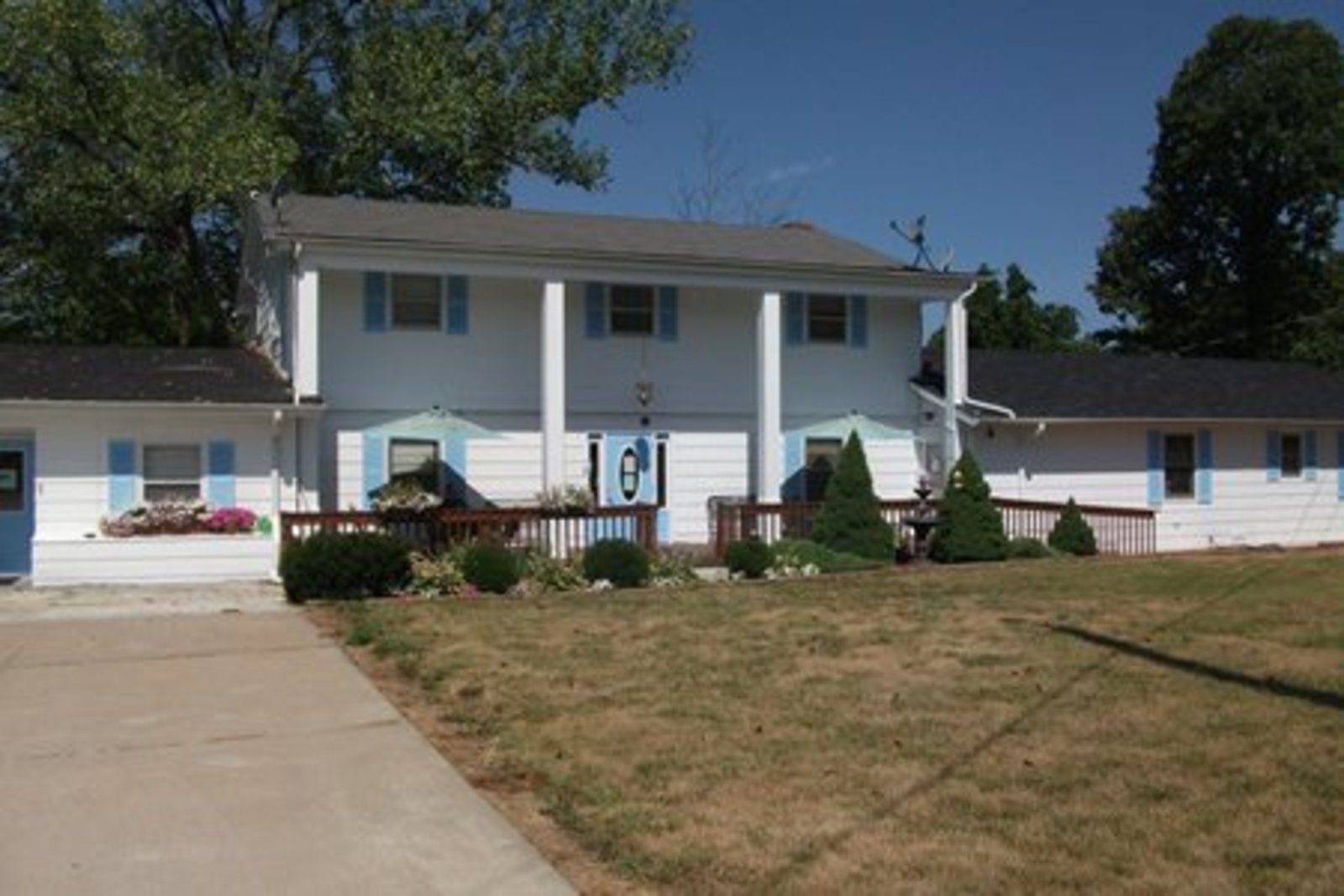
Hillcrest Assisted Living offers assisted living and also presents memory care and respite as care paths; because offerings can change, please call to confirm current availability at 9415 N Brown Station Road in Columbia. Our team will talk honestly with you about which setting fits, and we encourage families to visit at different times of day. Call (573) 873-0761 or plan a visit.
Frequently asked questions
What is the difference between assisted living and memory care?
Assisted living provides help with daily activities in a residential setting. Memory care adds a secure environment, dementia-trained staff, and a structured routine for people living with Alzheimer's or other dementias.
How much more does memory care cost in Columbia?
There is no local survey figure for memory care. The 2025 Columbia metro median for assisted living is $5,761 a month, and national NIC data shows memory care asking rents about 28 percent above assisted living. Request written quotes.
Can someone with dementia live in assisted living?
Often, in the early stages, if they are safe, can find their way around, and do not need a secure setting. Needs should be reassessed regularly.
How is the decision made?
Families, physicians, and the community's assessment all contribute. The community assesses each person before move-in and periodically afterward.