Missouri Assisted Living Licensing Explained for Columbia Families
When families start looking at senior living in Columbia, they quickly run into terms that are specific to Missouri: residential care facility, assisted living facility, RCF, ALF, and sometimes older labels such as RCF I and RCF II. These are not marketing terms. They are license categories set by the Missouri Department of Health and Senior Services, and they determine who a facility may admit and keep. Understanding them can save you from choosing a place that cannot meet your parent's needs.
Who regulates assisted living in Missouri
Long-term care facilities in Missouri, including residential care and assisted living facilities, are licensed and inspected by the Department of Health and Senior Services (DHSS). DHSS publishes descriptions of each level of licensure (Missouri DHSS, levels of licensure). Below is a plain-language summary. For the exact legal definitions, see the DHSS page.
The license categories
Residential care facility (formerly RCF I)
A residential care facility provides 24-hour care to three or more residents who need shelter, board, and protective oversight. That can include storage, distribution, or administration of medications and care during short-term illness or recuperation. Residents must be able to make their way to safety unassisted in an emergency. A licensed nursing home administrator is not required.
Residential care facility* (former RCF II requirements)
Some residential care facilities continue to comply with the former RCF II requirements. These provide 24-hour accommodation, board, and care, including supervision of diets, help with personal care, medication storage, distribution, or administration, and supervision of health care under a licensed physician's direction. Residents still must be able to reach safety unassisted. A licensed nursing home administrator is required.
Assisted living facility
An assisted living facility provides 24-hour care, services, and protective oversight to residents who may need help with activities of daily living, including eating, dressing, bathing, toileting, transferring, and walking. It also provides medication oversight and health care supervision under a physician's direction, consistent with a social model of care. DHSS describes a social model of care as long-term care services based on each person's abilities, desires, and needs, delivered in a home-like rather than institutional setting that promotes dignity, privacy, independence, and autonomy. A licensed nursing home administrator is required. This type of facility may accept or keep residents who need minimal help to evacuate safely.
Assisted living facility** (more than minimal evacuation help)
Some assisted living facilities may accept or keep residents whose impairments prevent safe evacuation with only minimal help. They may do so only if they meet additional staffing requirements to assist in evacuations and include an individualized evacuation plan in the resident's service plan.
Beyond assisted living
DHSS also licenses intermediate care facilities and skilled nursing facilities, which provide nursing care under the daily supervision of licensed nurses. People who need regular nursing care, rather than help with daily activities, may be better served there.
Why the license matters to your family
The practical question is simple: can this facility legally serve my parent now, and as needs change?
- Evacuation ability. If your parent uses a wheelchair, needs help standing, or might not respond appropriately to an alarm because of dementia, a residential care facility may not be able to admit or keep them. An assisted living facility licensed for residents needing more than minimal evacuation help may be required.
- Personal care. If your parent needs hands-on help with bathing, dressing, or transfers, ask whether the facility's license and staffing support that.
- Medications. Ask who administers medications and what oversight exists.
- Future needs. Ask what happens if your parent's needs grow beyond the license. Will they need to move?
Checking inspection results
DHSS inspects licensed facilities and investigates complaints. You can look up results for residential care and assisted living facilities through the Show Me Long Term Care tool by city, county, or ZIP code (Show Me Long Term Care in Missouri).
When reading reports:
- Look at the date and seriousness of each finding
- Check whether problems were corrected
- Watch for patterns, such as repeated medication or staffing issues
- Ask the facility to explain anything that concerns you
Every facility has findings from time to time. What matters is how serious they are, whether they repeat, and how the facility responded.
Raising a concern
If you believe an older adult is being abused, neglected, or exploited, Missouri's Adult Abuse and Neglect Hotline is 1-800-392-0210 (Missouri DHSS, adult abuse and neglect). For other concerns about care, start by talking with the facility's administrator. Missouri also has a long-term care ombudsman program that advocates for residents; your local Area Agency on Aging can help you reach it (Missouri DHSS, Area Agencies on Aging).
Licensing and payment
License type can also affect payment. Missouri's Supplemental Nursing Care program sets different monthly amounts for residents of residential care facilities and assisted living facilities, and MO HealthNet personal care can be provided in qualifying RCF and ALF settings. Our guide to paying for assisted living in Missouri explains these programs.
Memory care and licensing
Missouri does not use "memory care" as a separate basic license category on the DHSS levels-of-licensure page. Communities that describe memory care programs are generally licensed in one of the categories above, and the license still governs who they can serve. When a community describes memory care, ask what license it operates under, how residents who cannot evacuate unassisted are served, and what dementia training staff receive. Our article on assisted living versus memory care in Columbia may help.
Questions to ask about licensing
- Which DHSS license do you hold?
- Can you serve residents who need more than minimal help to evacuate?
- Who administers medications?
- What were the findings in your most recent inspection, and how were they addressed?
- Under what circumstances would a resident need to move?
A note on terms you may see online
Directory websites and advertisements often use "assisted living" loosely, to describe any senior housing with services. In Missouri, the legal license may be a residential care facility, an assisted living facility, or something else entirely, such as independent senior apartments with no care license at all. Always ask for the license type and confirm it through DHSS rather than relying on the label in an ad.
About Hillcrest
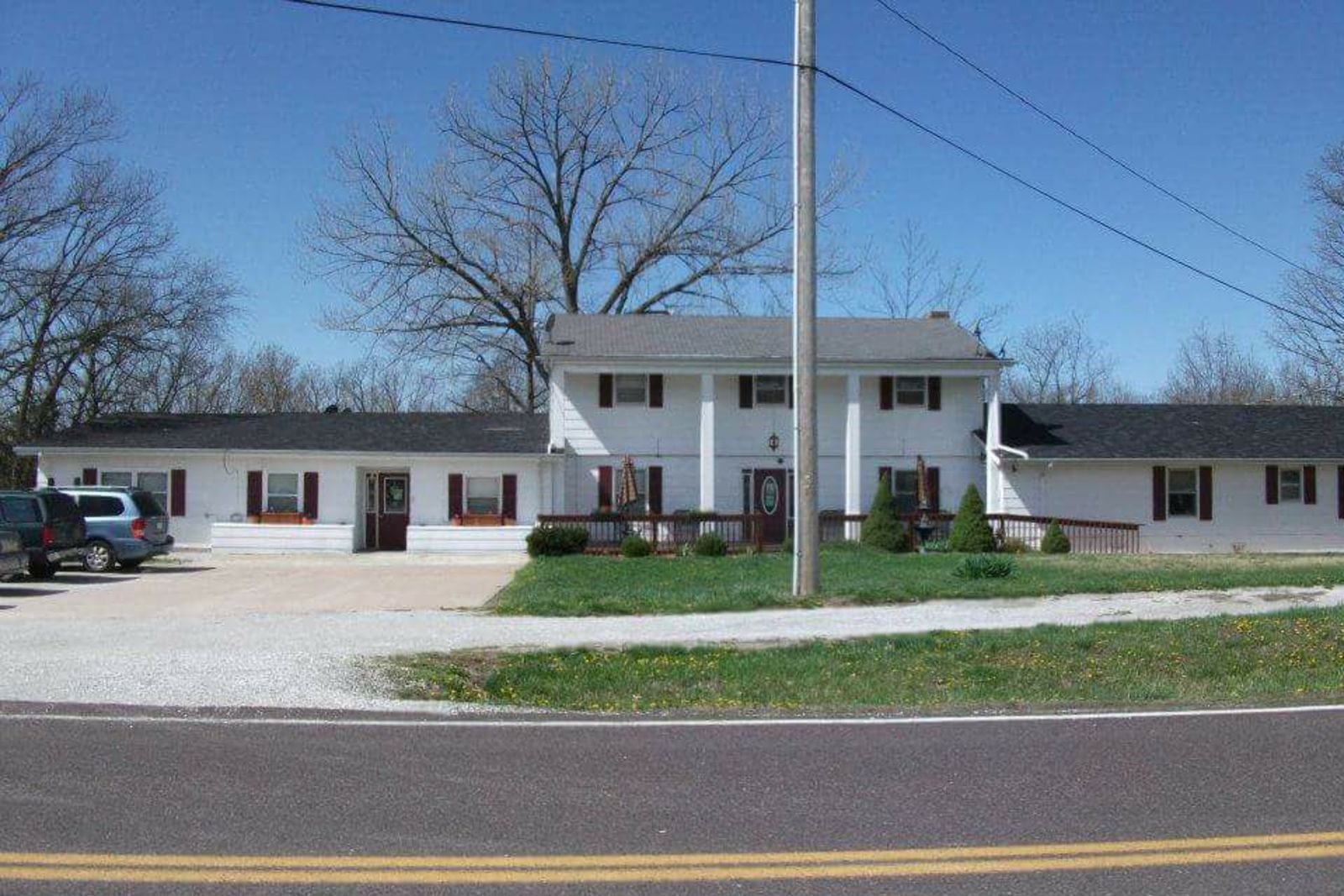
Hillcrest Assisted Living is located at 9415 N Brown Station Road in Columbia. Ask us about our license, our approach to care, and anything else you want to know when you call (573) 873-0761 or plan a visit. You can also start with our assisted living page.
Frequently asked questions
What is the difference between an RCF and an ALF in Missouri?
Both provide 24-hour care and protective oversight. Assisted living facilities also help with activities of daily living under a social model of care, and some may serve residents who need more than minimal help to evacuate. Residents of residential care facilities must be able to reach safety unassisted.
Who licenses assisted living in Missouri?
The Missouri Department of Health and Senior Services licenses and inspects residential care and assisted living facilities.
How can I check a Missouri assisted living facility's inspection history?
Use DHSS's Show Me Long Term Care tool and search by city, county, or ZIP code.
Who do I call to report suspected abuse or neglect in Missouri?
The Missouri Adult Abuse and Neglect Hotline at 1-800-392-0210.