Signs It May Be Time for Assisted Living in Columbia
For many Columbia families, the assisted living question arrives suddenly: a fall, an ambulance ride, a few days in the hospital, and a discharge planner asking where your parent will go next. For others it creeps up over a year of small worries. Either way, recognizing the signs early gives you time to make a thoughtful decision instead of a rushed one.
When a hospital stay forces the question
Hospital discharges are one of the most common moments when families confront the need for more care. If your parent is in the hospital, keep these points in mind:
- Ask the discharge planner or case manager early what level of care your parent will need on leaving. Do not wait for the day of discharge.
- Understand short-term versus long-term needs. After surgery or a serious illness, a parent may need a few weeks of rehabilitation in a skilled nursing facility. Medicare may cover a limited period of skilled nursing care after a qualifying hospital stay, but it does not pay for long-term assisted living.
- Think about what happens after rehab. If your parent was struggling at home before the hospital stay, returning to the same situation may not be safe.
A hospital stay is often the moment to ask a harder question: was home still working before this happened?
Signs in daily life
Falls
More than one in four adults aged 65 and older falls each year, and fewer than half tell their doctor, according to the Centers for Disease Control and Prevention (CDC, facts about older adult falls). Look for unexplained bruises, a new fear of walking, or furniture being used for support. A fall that seems minor can still shake a person's confidence and lead them to move less, which in turn weakens balance and strength.
Struggling with personal care
Watch for the same clothes worn several days running, skipped baths or showers, or a decline in grooming in someone who always took pride in their appearance.
Eating and nutrition
Spoiled food, an empty refrigerator, unexplained weight loss, or meals replaced by snacks can mean cooking or shopping has become too hard.
Medications
Missed doses, pills on the floor, duplicate prescriptions, or confusion about what to take are serious warning signs. Medication mistakes can lead to falls and hospital visits.
The house and the car
Unopened mail, unpaid bills, a home that has slipped into disarray, scorched pans, or new dents on the car all suggest that managing independently is getting harder.
Social and emotional signs
- Giving up activities they used to love, from church to card clubs to Mizzou games with friends
- Spending most days alone, often in one chair
- Seeming sad, anxious, or flat
- Calling family repeatedly, or stopping calling altogether
Isolation is easy to miss when a parent says everything is fine on the phone. Visits tell you more than calls, especially visits that include a meal together or an afternoon out running errands.
Memory and thinking
- Repeating the same questions or stories
- Getting lost while driving familiar routes in town
- Forgetting appointments, birthdays, or recent conversations
- Leaving the stove on or doors unlocked
A physician should evaluate memory changes, because some causes are treatable. If dementia is diagnosed, the decision may be between assisted living and memory care; our article on assisted living versus memory care in Columbia can help.
Signs in the caregiver
Often the clearest signal comes from the person providing care:
- Constant exhaustion or poor sleep
- Missing work or giving up commitments
- Their own health problems going unaddressed
- Tension, resentment, or conflict in the family
- A feeling that one more problem will break the whole arrangement
Caring for a parent is an act of love, but no one can do it alone indefinitely.
Keep a short record before deciding
When families disagree about whether a parent needs more help, a written record often settles it. For two or three weeks, each person who visits or calls jots down what they notice: what was in the refrigerator, whether pills were taken, how the house looked, how your parent seemed, any falls or near-misses. If siblings live in Kansas City, St. Louis, or further away, a shared online note lets everyone see the same picture.
Patterns tend to emerge quickly. A parent who sounds cheerful on the phone may turn out to be skipping lunch most days, or sleeping through the afternoon because nights are restless. A written record also makes conversations with doctors and communities more productive, because you can offer specific examples rather than general worry.
Do not wait for a perfect moment
There is rarely an ideal time to make this change. Families who wait for certainty often end up making the decision in a hospital corridor. Visiting communities, learning about costs, and putting your parent's name on a list are all reversible steps. Taking them early keeps more choices open.
When the signs point to something else
Not every concern means assisted living. Sometimes the right next step is in-home help for a few hours a week, a medication dispenser, meal delivery, home safety changes, or a short period of respite care. Assisted living tends to make the most sense when a person needs help with several daily activities, benefits from staff available at any hour, and would be safer and less lonely with others around.
Talking with your parent
- Choose a calm time, not the middle of a crisis.
- Share specific observations rather than conclusions.
- Ask what matters most to them, and what scares them.
- Suggest visiting a community together, as information gathering, not a commitment.
- Involve a trusted doctor, pastor, or friend if that would help.
Next steps in Columbia
- Write down what you have observed, with dates.
- Talk with your parent's doctor about care needs.
- Learn the costs. CareScout's 2025 survey puts the Columbia metro assisted living median at $5,761 a month (CareScout Cost of Care tool).
- Visit two or three communities.
- If a hospital stay is coming or has just happened, ask about respite or short stays as a bridge.
About Hillcrest Assisted Living
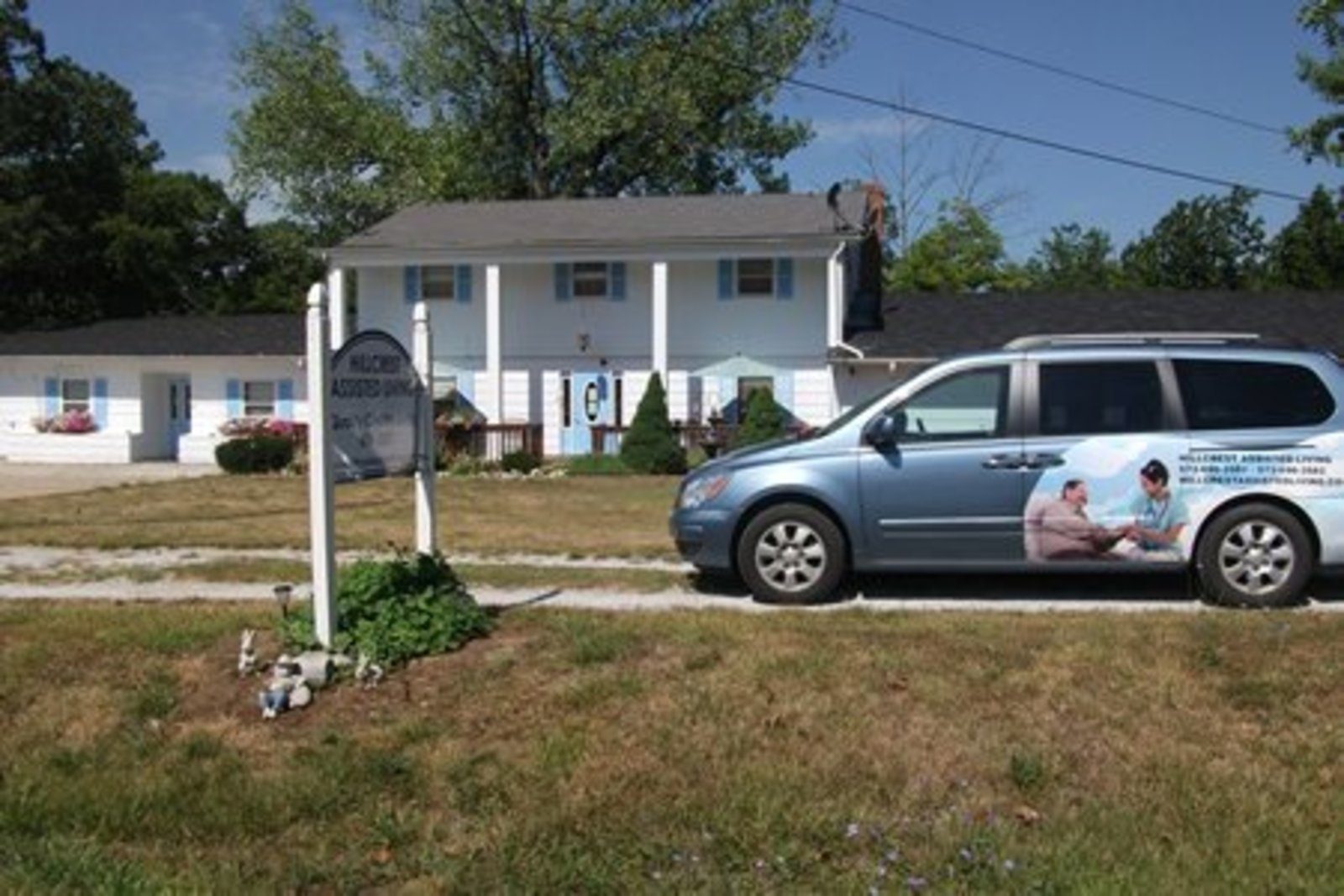
Hillcrest offers assisted living and also presents memory care and respite care as care paths; because offerings can change, please call to confirm current availability at 9415 N Brown Station Road in Columbia. If you are seeing some of these signs and are not sure what to do next, call us at (573) 873-0761. We are glad to talk it through.
Frequently asked questions
What are the main signs a parent needs assisted living?
Falls, difficulty with personal care, missed medications, poor nutrition, isolation, problems managing the home, and an exhausted family caregiver are among the most common signs.
Should my parent go to assisted living straight from the hospital?
Sometimes a period of rehabilitation comes first. Ask the hospital's discharge planner what level of care is needed, and think about whether home was working well before the hospital stay.
Does Medicare pay for assisted living after a hospital stay?
No. Medicare may cover a limited period of skilled nursing care after a qualifying hospital stay, but it does not pay for long-term assisted living.
What if my parent refuses to consider assisted living?
Keep the conversation open, focus on their concerns, and suggest a visit rather than a decision. A trusted outsider can sometimes help.